Garhwali and Kumaoni Values
The Unspoken Truth Behind Garhwali and Kumaoni People Never Begging
The true strength of a person lies in their ability to maintain their dignity, no matter the circumstances.
This timeless wisdom resonates deeply with the Garhwali and Kumaoni people, whose values and cultural fabric have been built on an unwavering sense of self-respect and independence. Garhwal and Kumaon, two prominent regions in the state of Uttarakhand, are known for their rich cultural heritage, majestic mountains, and resilient people. The people of Garhwal and Kumaon, also known as Garhwali and Kumaoni, are known for their hardworking nature, strong values, and self-respect.
In these hilly terrains, where life is often challenging, these communities have forged an identity centered around hard work, resilience, and self-sufficiency. One of the unique aspects of their culture is their deep-rooted sense of dignity, which is why they are rarely seen begging. Instead, they rise above adversity, choosing to maintain their principles of integrity and self-worth.
This article delves into the reasons why Garhwali and Kumaoni people never beg, exploring their history, values, and way of life. Their unshakable spirit, passed down through generations, continues to shape their identity and serves as a shining example of dignity in the face of hardship.
They may be poor and hungry, but the Garhwali and Kumaoni people uphold their dignity through hard work. From small tasks to high-level jobs, they embrace self-reliance. You will never find them on the list of beggars, as their cultural values and pride guide their way of life.
Historical Background: A Legacy of Resilience
The Garhwali and Kumaoni people have a long history of resilience and self-reliance. For centuries, these communities have faced harsh living conditions, from natural calamities to wars and invasions. Despite these challenges, they have always managed to survive through their strong work ethic, agricultural practices, and close-knit community structures. Their ancestors built a reputation for bravery, resourcefulness, and hard work.
One of the most significant factors contributing to their reluctance to beg is their historical background. The people of Garhwal and Kumaon have always believed in sustaining themselves through their labor. The region’s rugged terrain and isolated villages have made them self-sufficient, and they take immense pride in their ability to provide for themselves and their families without relying on charity.
Cultural Values: The Spirit of Self-Respect
The cultural values of the Garhwali and Kumaoni people emphasize self-respect, dignity, and honor. In both cultures, begging is seen as a loss of personal dignity. The concept of self-reliance is ingrained in their upbringing from a young age. From an early stage, children in Garhwal and Kumaon are taught the importance of hard work, discipline, and self-sufficiency.
Begging is seen as an insult to one’s self-respect. People are encouraged to earn their livelihood with their own hands, and there is a deep sense of shame associated with asking for alms. In rural areas, many Garhwali and Kumaoni people cultivate their land, tend to livestock, and engage in various trades to make a living. Even during times of financial hardship, they would rather face the struggle head-on than ask for help from others.
The Influence of Religion and Spirituality
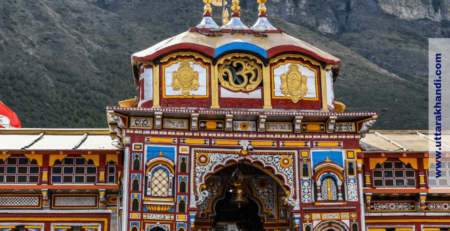
Religion and spirituality play an essential role in the lives of the Garhwali and Kumaoni people. The region is home to many sacred temples and pilgrimage sites, including the famous Char Dham (Yamunotri, Gangotri, Kedarnath, and Badrinath), which hold immense significance for Hindus. The people of this region view their spiritual journey as one of personal growth and self-purification.
Religious teachings in these areas often stress the importance of karma (selfless actions) and dharma (righteousness). It is believed that one should never depend on others for sustenance but instead work hard to earn a living with integrity. The spirituality of the Garhwali and Kumaoni people is closely tied to their self-sufficiency, and asking for alms contradicts the values of self-reliance and hard work.
Social Support Systems: The Strength of Community
The Garhwali and Kumaoni cultures also have strong community support systems that encourage mutual help. While begging may not be an option, the people of these regions often rely on their neighbors and extended families for assistance in times of need. These communities have a long tradition of collective responsibility, where people help one another without compromising their self-respect.
In times of personal loss, illness, or financial struggle, the Garhwali and Kumaoni people are more likely to offer help through practical means rather than charity. For instance, if someone faces a crop failure or financial hardship, neighbors might lend a hand in farming or provide resources in other ways. However, the notion of charity is rooted in offering assistance without the receiver feeling ashamed.
Economic Independence and Resourcefulness
The Garhwali and Kumaoni people are known for their resourcefulness. Despite living in an economically challenging environment, they make the most of what they have. Agriculture is the backbone of their economy, and they practice sustainable farming techniques that allow them to produce food for their families and local markets.
Many people in these regions also engage in handicrafts, handloom weaving, and woodcrafts. These skills have been passed down through generations, and they serve as a means of economic independence. The Garhwali and Kumaoni people are well-known for their craftsmanship, and these traditional skills are a source of pride and income for them. Their ability to support themselves through these occupations means they rarely have to rely on others.
Strong Connection to Nature
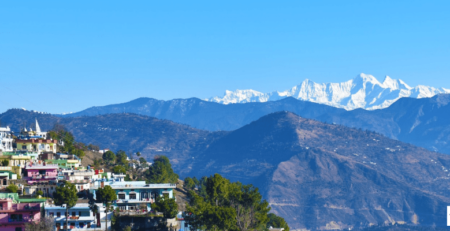
The Garhwali and Kumaoni people have a deep connection to nature, which is evident in their lifestyle and daily activities. The natural surroundings of the Himalayan region have shaped their identity and worldview. Their close connection with nature fosters a strong sense of independence, as they are taught to live in harmony with the land and depend on it for their sustenance.
The mountain people are skilled in outdoor activities, including farming, animal husbandry, and forestry. They know how to make the most of the natural resources available to them, and their lives are closely tied to the rhythms of nature. This connection with the land provides them with a sense of purpose and fulfillment, making them less inclined to beg or seek charity.
FAQs: The Unshakable Spirit of Garhwali and Kumaoni People
Why are Garhwali and Kumaoni people not seen begging?
The people of Garhwal and Kumaon have a profound sense of self-respect, dignity, and independence rooted in their culture. They rely on hard work and self-sufficiency rather than seeking help from others, even in the most challenging circumstances.
How has the geography of Uttarakhand influenced the values of its people?
Living in the mountainous terrains of Uttarakhand has instilled resilience, perseverance, and adaptability in the Garhwali and Kumaoni people. The harsh environment demands a hardworking and resourceful mindset, shaping their values and way of life.
What cultural values define the Garhwali and Kumaoni communities?
The communities are known for their self-respect, humility, hospitality, and strong work ethic. These values are deeply embedded in their traditions, ensuring they uphold their dignity even in adversity.
What role does history play in shaping their sense of dignity?
Garhwali and Kumaoni people have a proud history of bravery and independence. Their ancestors have fought against invasions, endured natural calamities, and survived economic hardships without compromising their integrity, leaving a legacy of self-reliance.
Do Garhwali and Kumaoni people have traditional practices to support the needy?
Yes, these communities follow strong social values that emphasize helping each other during tough times. They believe in collective efforts, such as sharing resources and supporting the less fortunate, which eliminates the need for begging.
How do festivals and traditions reinforce their hardworking nature?
Traditional festivals like Harela, Ghughutiya, and Phooldei celebrate agriculture, labor, and community bonding, emphasizing the importance of hard work and unity. These cultural practices highlight their reverence for self-earned prosperity.
Are there modern challenges that test these values?
While modernization has brought new opportunities, challenges like migration and unemployment test these values. However, many individuals from Garhwal and Kumaon continue to hold onto their cultural ethos, adapting without losing their core identity.
What can the world learn from Garhwali and Kumaoni people?
The Garhwali and Kumaoni communities teach the importance of self-respect, dignity, and hard work. Their ability to thrive in adversity while upholding their values is an inspiration for everyone.
How do they handle financial or economic hardships without begging?
Even in financial distress, these communities rely on collective support systems, resourcefulness, and small-scale agricultural or entrepreneurial efforts. Their strong sense of community ensures that everyone is supported.
What is the key takeaway about the Garhwali and Kumaoni people?
The key takeaway is their indomitable spirit and unwavering commitment to dignity. They embody the idea that self-respect and perseverance can overcome even the toughest challenges.
Their legacy continues to inspire others to value hard work, self-reliance, and mutual respect in their own lives.
“In the mountains of Uttarakhand, where the peaks kiss the sky, live people whose dignity is as steadfast as the rocks they tread upon, and whose self-respect is as pure as the rivers that flow through their land.”
Garhwali and Kumaoni people stand as a testament to the strength of character, self-reliance, and unwavering dignity. Their culture, shaped by the challenges of the Himalayan terrain and enriched by centuries of tradition, reflects a deep-rooted commitment to values that transcend material needs. They inspire us to face hardships with resilience and uphold our self-respect at all costs.
Their self-reliance is not just a personal trait but a collective value passed down through generations. It stems from their belief in hard work, simplicity, and the spirit of giving rather than receiving. This unique aspect of their culture is evident in their strong community bonds, where people come together to help one another during times of need, fostering an environment where begging is neither required nor accepted.
Moreover, the natural beauty of the mountains they inhabit serves as a metaphor for their inner strength. Just as the mountains stand tall despite the harshest weather, the Garhwali and Kumaoni people uphold their dignity even in the face of adversity. Their culture teaches us that self-respect and perseverance are the true measures of success.