Folk Dances of Uttarakhand
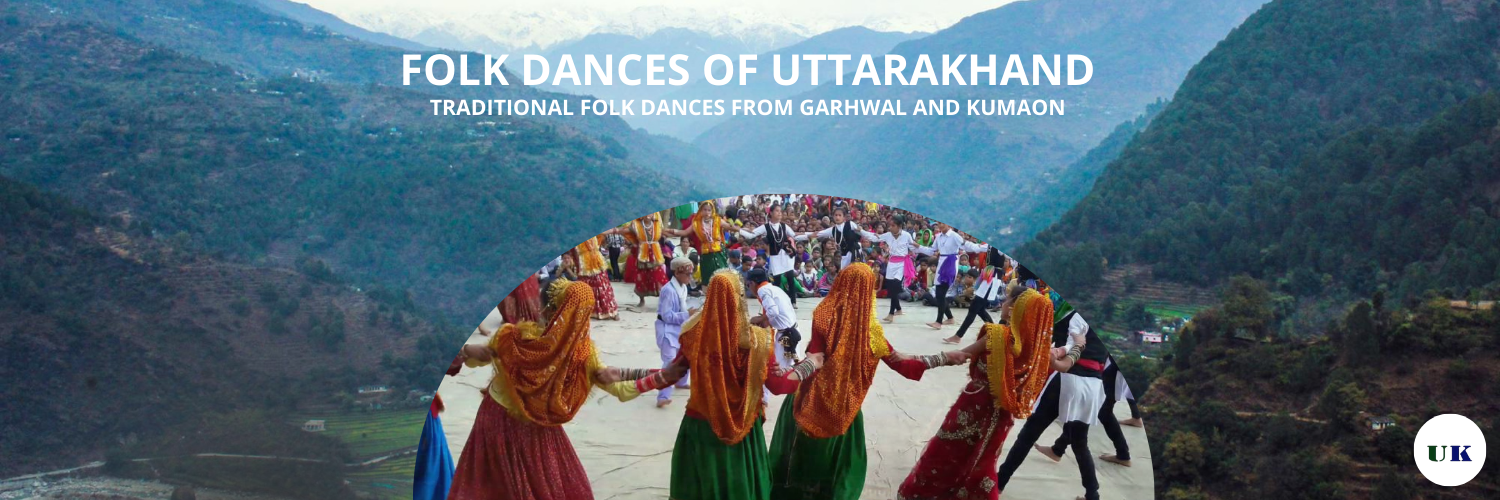
Uttarakhand, nestled in the lap of the Himalayas, is a land known for its rich cultural heritage, vibrant traditions, and unique folk dances. The folk dances of Uttarakhand are more than just art forms; they reflect the lifestyle, beliefs, and emotions of the people living in the regions of Garhwal and Kumaon. These dances are deeply intertwined with the social and religious fabric of the state, making them an integral part of festivals, rituals, and celebrations.
Here is an in-depth look at some of the most significant folk dances of Uttarakhand:
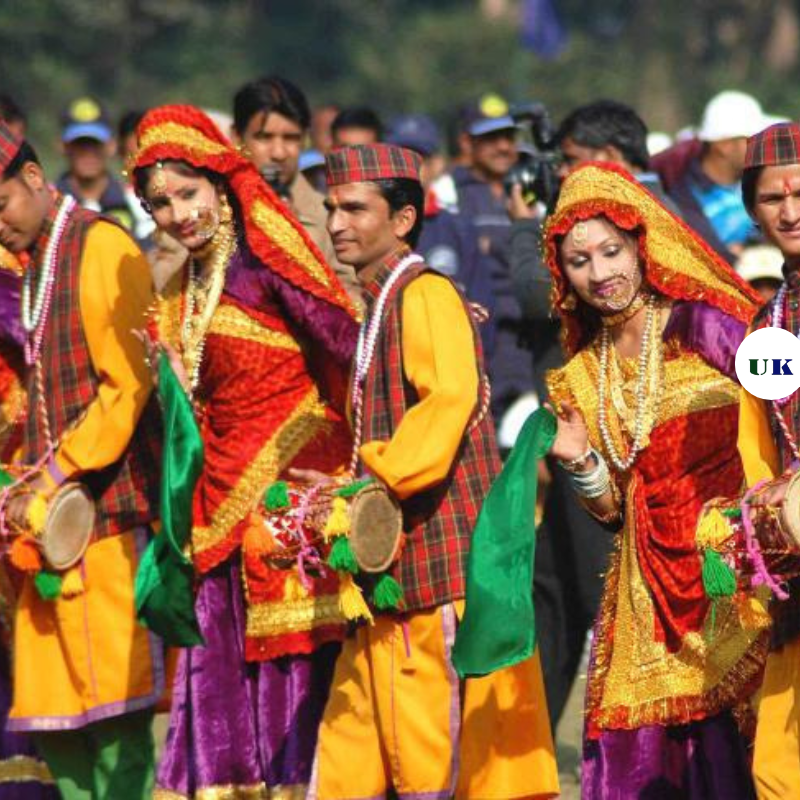
The folk dances of Uttarakhand are more than just performances; they are a celebration of life, culture, and spirituality, deeply woven into the social fabric of the state. Each dance form carries with it unique regional characteristics, representing the traditions, stories, and emotions of the people. Chholiya, a prominent dance of the Kumaon region, is traditionally performed during weddings to ward off evil spirits. The dancers, adorned in vibrant costumes and wielding swords, create a dramatic display of energy and rhythm. In contrast, Jhora and Thadiya offer a more communal experience, with people from different backgrounds coming together to celebrate festivals like Holi and Basant Panchami. These group dances, characterized by their circular formations and synchronized movements, highlight the sense of unity and collective joy that defines the community spirit in Uttarakhand.
In the hilly terrains of Garhwal, dance forms like Langvir Nritya and Pandav Nritya showcase the region’s unique cultural expressions. Langvir Nritya is a daring acrobatic performance, where a dancer climbs a tall bamboo pole and performs feats of balance and agility, captivating audiences with its display of strength and skill. On the other hand, Pandav Nritya combines dance and theater, retelling episodes from the Mahabharata with elaborate costumes, masks, and dramatic performances. This dance form is not only a form of entertainment but also a way to preserve the mythological narratives that have been passed down through generations.
Among the lesser-known yet culturally significant dances is Ramman, celebrated in the Chamoli district, which integrates rituals, music, dance, and theatrical elements. Recognized by UNESCO as an Intangible Cultural Heritage, Ramman is a festival that involves the entire community, symbolizing their devotion to the local deity, Bhumiyal Devta. Similarly, the Bhotiya dance of the Bhotiya tribe is performed with spiritual intent, reflecting themes of nature, reincarnation, and ancestral worship. Together, these folk dances offer a vivid portrayal of Uttarakhand’s cultural richness, where every movement, song, and rhythm holds deep cultural significance, preserving the state’s heritage while fostering a sense of identity and pride among its people.
Chholiya Dance
One of the most iconic folk dances of the Kumaon region, Chholiya is a traditional sword dance that has been performed for centuries. Originating as a martial dance, it is often performed during wedding processions and auspicious ceremonies. The dance is characterized by vigorous movements, with dancers wielding swords and shields while performing to the beats of traditional instruments like the dhol, damau, and ransingha. The vibrant costumes, energetic performances, and rhythmic music make Chholiya a captivating spectacle.
Jhora Dance
Jhora is a popular group dance performed in both Garhwal and Kumaon regions during festive occasions. This dance is a symbol of unity and communal harmony, where people from different communities join hands and form a circle to dance together. The participants move in sync to the rhythm of folk songs, taking steps in a clockwise or counterclockwise direction. Jhora is usually performed during major festivals like Holi, weddings, and other social gatherings, fostering a sense of togetherness among the community.


Chhapeli Dance
Chhapeli is a romantic dance form from Kumaon, performed by couples to celebrate love and joy. The dance is typically performed during festivals, weddings, and fairs. The female dancers hold colorful handkerchiefs and mirrors as props, while the male dancers often carry musical instruments. The dance is graceful and expressive, accompanied by melodious folk songs that narrate tales of love, romance, and nature. Chhapeli’s elegance and charm make it a cherished dance form in the region.
Langvir Nritya
Langvir Nritya is an acrobatic folk dance performed exclusively by men in the Garhwal region. It is one of the most unique and daring dance forms, where a dancer climbs a long bamboo pole and performs various stunts and balancing acts at the top. The pole is often spun around as the dancer maintains his balance while showcasing his agility and strength. Langvir Nritya is usually performed during religious festivals and fairs, drawing large crowds who come to witness this thrilling display of skill and endurance.
Thadiya Dance
Thadiya is a traditional dance form performed in the Garhwal region, especially during the spring festival of Basant Panchami. The dance is a joyful celebration of nature’s beauty and the arrival of spring. Participants, dressed in colorful attire, dance in unison to the beats of traditional instruments like the dholki and tabla. Thadiya is known for its rhythmic footwork and graceful hand movements, which reflect the happiness and excitement of welcoming the spring season.
Jhumelo Dance
Jhumelo is a folk dance performed by women during festive seasons like Diwali and Holi. Similar to Jhora, this dance involves a circular formation, where women sing traditional folk songs while swaying to the rhythm. The songs are often devotional or celebrate nature, love, and life. Jhumelo is an expression of joy and togetherness, bringing women together to share in the festive spirit.
Ramman
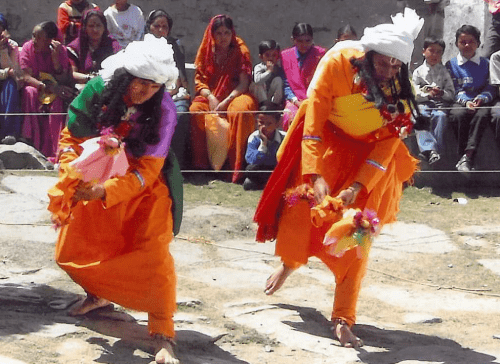
Ramman is a unique folk festival celebrated in the Saloor-Dungra village of Chamoli district in Garhwal. It is a combination of ritualistic performances, traditional theater, and folk dances. Dedicated to the local deity Bhumiyal Devta, the festival includes masked dances, recitations of folk songs, and enactments of stories from mythology. In 2009, UNESCO recognized Ramman as a Representative List of the Intangible Cultural Heritage of Humanity, highlighting its cultural significance and the need for its preservation.
Bhotiya Dance
The Bhotiya dance is performed by the Bhotiya tribe, who reside in the high-altitude regions of Uttarakhand. This dance has deep spiritual significance and is performed as part of rituals and ceremonies. The Bhotiya people believe in reincarnation and ancestral worship, and their dance reflects these beliefs. The dance movements are inspired by animals, symbolizing their close connection with nature. It is often performed during the Nanda Devi Raj Jat Yatra and other religious gatherings.
Barada Nati
Barada Nati is a famous folk dance from the Jaunsar-Bawar region of Uttarakhand. It is primarily performed during festivals, weddings, and other joyous occasions. The dance is known for its fast-paced steps and synchronized movements. The dancers, both men and women, wear traditional costumes and perform in pairs or groups. The dance is accompanied by folk songs that narrate local tales, legends, and themes of love and celebration.
Pandav Nritya
Pandav Nritya is a dance drama performed in the Garhwal region, depicting episodes from the Mahabharata. The dance is a blend of storytelling, music, and dance, where performers enact the heroic deeds of the Pandavas. The performance involves elaborate costumes, masks, and props, creating a theatrical atmosphere. Pandav Nritya is usually performed during religious festivals and is considered a form of worship and devotion.
The folk dances of Uttarakhand are a beautiful reflection of the state’s cultural diversity, spirituality, and sense of community. These dances are not just artistic expressions but also serve as a medium to preserve and pass down the traditions, stories, and values of the people. Whether it’s the martial vigor of Chholiya or the graceful movements of Thadiya, each dance form has its own unique essence, making Uttarakhand a land of rich cultural heritage and timeless traditions.