Dadim
The Pomegranate of Uttarakhand
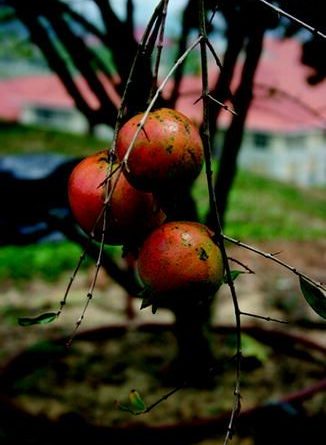
Dadim, commonly known as the pomegranate (Punica granatum), is a cherished fruit in Uttarakhand. Esteemed for its rich flavor and nutritional benefits, Dadim is an integral part of the local diet and holds a special place in traditional practices and folklore. Despite its significance, Dadim is often considered one of the most undervalued fruits of Uttarakhand.
- Botanical Name: Punica granatum
- Local Names: Dadim (Hindi), Anar (Hindi), and other regional variations.
- Family: Lythraceae
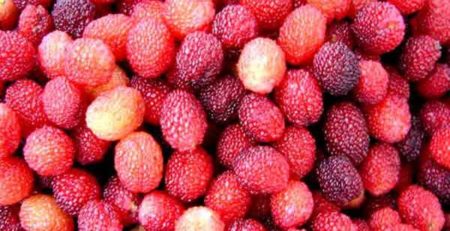
Dadim is almost identical to pomegranate, except for its size and taste. It is approximately 40% the size of a pomegranate and presents a vibrant red color when fully ripe. Unlike pomegranates, which are often sweeter with a hint of sourness, Dadim has a more balanced flavor, with sour and sweet tastes in equal ratio.
Nutritional Benefits
- Rich in Nutrients: Dadim is highly nutritious, offering a wealth of vitamins and minerals, including vitamin C, potassium, and antioxidants. These nutrients are essential for maintaining overall health and wellness.
- Antioxidant Properties: The antioxidants present in Dadim, such as punicalagins and anthocyanins, help combat oxidative stress, reduce inflammation, and protect against various chronic diseases.
- Heart Health: Regular consumption of Dadim can support cardiovascular health by improving blood circulation and reducing blood pressure.
Medicinal Properties
- Digestive Health: Dadim is very effective in the treatment of hyperacidity due to its cooling effect on the body. It helps relieve burning and inflammation in stomach or duodenal ulcers, boosting healing and preventing internal blood loss from these wounds.
- Anemia: Dadim is particularly beneficial for anemia, especially due to iron deficiency. It is a rich source of iron, helping to address deficiencies effectively.
Culinary Uses
- Versatile Fruit: Dadim is enjoyed fresh, with its juicy seeds adding a delightful crunch to salads, yogurt, and desserts. The fruit’s juice is also a popular beverage, known for its refreshing taste and health benefits.
- Traditional Preparations: In Uttarakhand, Dadim is used in traditional dishes and recipes. The fruit is often incorporated into chutneys, sauces, and marinades, enhancing the flavor and nutritional profile of local cuisine.
Cultural Significance
Dadim is more than just a fruit in Uttarakhand; it symbolizes prosperity and abundance. It is often used in religious rituals and offerings, reflecting its importance in local culture. The fruit’s vibrant color and refreshing taste make it a favorite during festivals and celebrations.
Challenges and Conservation
- Cultivation Needs: Pomegranate trees thrive in warm, sunny climates and well-drained soil. In Uttarakhand, the fruit is typically grown in areas with suitable environmental conditions.
- Conservation Efforts: To ensure sustainable production and quality, ongoing efforts are needed to address challenges such as disease management and climate change.
Dadim, or pomegranate, is a vital fruit in Uttarakhand, renowned for its nutritional benefits, medicinal properties, and cultural significance. Its unique flavor and health-promoting qualities make it a valuable addition to the local diet and traditions. As awareness grows, Dadim may gain wider recognition and appreciation, ensuring its place in the future of Uttarakhand’s rich agricultural heritage.