Community in Uttarakhand
Uttarakhand is home to a rich tapestry of communities, each with its unique cultural, linguistic, and social practices. The state’s population is primarily divided into two major regions: Garhwal and Kumaon, with each region hosting various communities that have distinct traditions, dialects, and customs.
The religious composition of Uttarakhand’s population in 2024 is as follows:
- Hinduism: 82.97%
- Islam: 13.95%
- Sikhism: 2.34%
- Christianity: 0.37%
- Buddhism: 0.15%
- Jainism: 0.09%
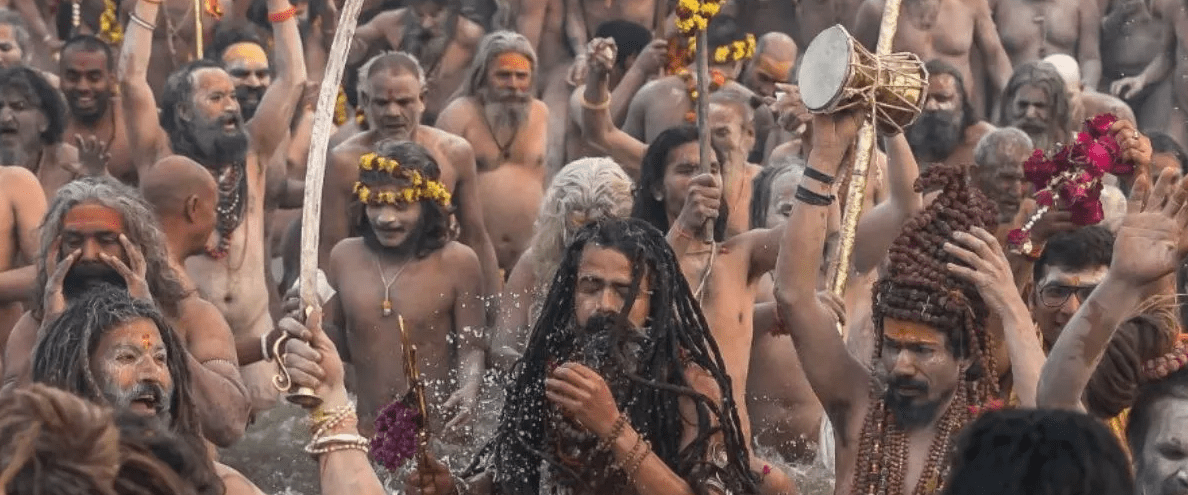
The majority of Uttarakhand’s population is Hindu, with Muslims being the largest religious minority. Known as Devbhoomi (Land of the Gods), Uttarakhand is home to numerous Hindu religious sites such as Haridwar, Rishikesh, Kedarnath, and Badrinath, attracting millions of pilgrims every year. This spiritual significance reinforces the state’s deep-rooted religious traditions and its standing as a prominent center of Hindu worship.
Castes in Uttarakhand
Uttarakhand, like many regions in India, has a rich and diverse social structure that includes various castes and communities. The social fabric is shaped by both geographical and cultural factors, particularly the state’s two primary regions: Garhwal and Kumaon. While both regions share many cultural similarities, the caste composition can vary slightly. Here’s a broad overview of the major caste groups in Uttarakhand:
Brahmins (Pandits)
Garhwali Brahmins and Kumaoni Brahmins are two major groups in Uttarakhand. Traditionally, they are involved in priestly duties and rituals, but today they are found in various professions. Common Brahmin surnames include Bhatt, Purohit, Joshi, Tiwari, and Pant. Brahmins constitute about 20% of the population, which is the highest percentage in India, and they play a significant role in the state’s religious and intellectual life.
Rajputs
Rajputs are another dominant caste in Uttarakhand. They have traditionally been landowners and warriors and have played a significant role in shaping the history and political landscape of the region. Rajputs (Thakurs) make up about 35% of the population, including native Garhwalis and Kumaonis, as well as migrants. Surnames include Rawat, Rana, Negi, Bisht, Chauhan, Mahra, and Sundriyal.
Scheduled Castes (Dalits)
Scheduled Castes (SC) communities, also referred to as Dalits, have an important presence in Uttarakhand. These communities have traditionally engaged in occupations like farming and craftsmanship. Castes like Chamars, Harijans, Shilpkars, and Badhai fall under this category. SCs represent about 18.76% of the population, and they are found in both rural and urban settings, actively engaged in various fields today.
Scheduled Tribes (ST)
Uttarakhand has a few indigenous tribal communities, particularly in remote and hilly areas. Prominent among them are the Jaunsari, Bhotia, Tharu, and Raji tribes, along with smaller groups like Buksas, Jads, and Banrawats. These communities, which make up about 2.89% of the population, have distinct customs, traditions, and lifestyles, and they are concentrated mainly in the state’s border regions.
Vaishyas (Banias)
The Vaishya or Bania caste traditionally engages in trade and commerce. While their presence in Uttarakhand is not as prominent as in some other parts of India, they still hold a significant position in the economy of certain towns and cities. Common surnames include Agarwal, Gupta, and Shah.
Other Communities
There are smaller communities such as the Kolis (traditionally weavers), Kurmis (farmers), and Ahirs (cattle herders) who also have a presence in Uttarakhand, especially in the plains and foothills. These communities contribute to the state’s agricultural and traditional practices.
Migrants
Over time, Uttarakhand has seen an influx of people from other parts of India, particularly from Uttar Pradesh, Bihar, and Punjab. These migrant communities have contributed to the diversity of the region’s caste composition and have integrated into various sectors of the state’s economy and society.
There are multiple Muslim communities in Uttarakhand, including:
Teli Malik
A Muslim community that is on the Central List of OBCs for Uttarakhand
Van Gujjars
Muslim Kayasthas
The caste system in Uttarakhand, while similar to that of other parts of India, has its own distinct regional variations influenced by the state’s geography and historical context. In modern times, caste distinctions are becoming less rigid, especially in urban areas, where people of all castes engage in diverse professions.