Chandra Singh Garhwali
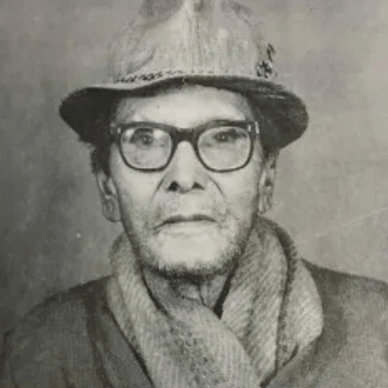
Chandra Singh Garhwali was a prominent freedom fighter and military officer known for his bravery during the Peshawar Incident of 1930. He defied British orders to fire on unarmed protesters, earning him recognition as a hero of India’s independence movement. His courage and patriotism continue to inspire generations.
Chandra Singh Garhwali was born on December 25, 1891. His ancestors hailed from Chandpurgarh, the capital of Garhwal. Chandra Singh’s father, Jalauth Singh Bhandari, was an illiterate farmer who couldn’t educate his son. However, Chandra Singh, through his hard work, learned to read and write on his own.
Recruitment in the Army and War Experiences
On September 3, 1914, Chandra Singh decided to enlist in the Indian Army and reached Lansdowne, where he was inducted. This was the time of World War I, and he earned his place in the British Army through his dedication and hard work. On August 1, 1915, Chandra Singh, along with other Garhwali soldiers, was sent to France by the British. This marked a pivotal point in his life. He returned to Lansdowne on February 1, 1916, but in 1917, he participated in the Mesopotamia war, where the British emerged victorious. He also fought in the Battle of Baghdad in 1918.
During this period, Chandra Singh’s bravery and dedication earned him respect and admiration from fellow soldiers and officers. Not only did he display courage during the battles, but he also inspired his comrades to keep their morale high in the face of adversity.
Demotion in the Army and Contact with Gandhi
After the end of World War I, the British began to dismiss many soldiers and reduce the ranks of those who had been promoted during the war. Chandra Singh, too, was demoted from the rank of Havildar to a soldier, which left him disheartened. He considered leaving the army, but higher officials assured him that his future promotions would be considered, and he was also granted some leave. During this time, Chandra Singh came into contact with Mahatma Gandhi, and he was deeply inspired by Gandhi’s thoughts on self-rule and the independence movement.
Gandhi’s ideals of non-violence and freedom filled Chandra Singh with a sense of patriotism, and he resolved to fight for the country’s independence. His love for the nation grew stronger, and he started contemplating his involvement in the struggle against the British.
Peshawar Incident and Contribution to the Freedom Struggle
In 1920, Chandra Singh was sent to Bajiristan, where he was promoted again. The environment there inspired him to take a more active role in the national freedom struggle. He spent much of his time working with Arya Samaj activists, which deepened his sense of nationalism.
The British, however, were displeased with his growing patriotism and sent him to the Khyber Pass. By then, Chandra Singh had reached the rank of Major Havildar. This was also a time when the freedom struggle in India was intensifying, and Chandra Singh was ready to join the fight for independence.
On April 23, 1930, Chandra Singh was sent to Peshawar, where he was ordered to attack the protesting public. However, he refused to open fire on unarmed civilians, demonstrating immense courage and moral integrity. This act of defiance led to the Peshawar Incident, and Chandra Singh Garhwali became a hero of the freedom movement. From that moment, he was known as “Chandra Singh Garhwali” and was regarded as the hero of the Peshawar Incident.
Trial, Punishment, and Struggle
For defying the British orders, Chandra Singh and his soldiers were put on trial. Mukundi Lal took up the defense of the Garhwali soldiers, and after persistent efforts, the death sentence for Chandra Singh was commuted to life imprisonment. During this time, the British confiscated his property and even cut his uniform off his body.
In 1930, Chandra Singh Garhwali was sent to Abbottabad Jail for 14 years. He was later transferred to various jails, but after serving 11 years, he was released on September 26, 1941. However, he was not allowed to return to his home, and he had to wander in different places. Eventually, he went to meet Mahatma Gandhi in Wardha. Gandhi was greatly impressed by his courage and struggle.
Active Participation in the Quit India Movement
During the Quit India Movement of 1942, Chandra Singh actively participated in the struggle while staying in Allahabad. His involvement in the movement led to his arrest once again for three years. In 1945, he was released, but the struggle continued.
Return to Garhwal and Election Attempts
In December 1946, with the support of communists, Chandra Singh was allowed to return to Garhwal. In 1957, he contested elections as a communist candidate, but he was not successful. Despite the defeat, his contributions to the freedom struggle remained a source of inspiration for many.
Death and Legacy
Chandra Singh Garhwali passed away on October 1, 1979, after a long illness. In recognition of his contribution to the country, the Government of India issued a postage stamp in his honor in 1994, and several roads were named after him.
Chandra Singh Garhwali’s life remains an inspiration for generations to come. His courage, patriotism, and moral integrity in the face of British tyranny serve as a shining example of how one can uphold their principles even in the most challenging times. His legacy continues to inspire those who are committed to fighting for justice, freedom, and their nation’s honor.
Here are some frequently asked questions (FAQs) about Chandra Singh Garhwali:
Who was Chandra Singh Garhwali?
Chandra Singh Garhwali was a brave freedom fighter and military officer who played a crucial role in India’s struggle for independence. He is particularly known for his heroic stand during the Peshawar Incident in 1930, where he refused to fire on unarmed protesters, making him a prominent figure in the freedom movement.
What was the Peshawar Incident?
The Peshawar Incident occurred in 1930 when Chandra Singh Garhwali, a British Indian Army officer, was ordered to shoot at unarmed protesters in Peshawar. He defied the order, refusing to fire on the innocent civilians. This act of bravery led to him becoming a hero of the Indian independence movement and earned him the title “Chandra Singh Garhwali.”
What role did Chandra Singh play in the Indian Army during World War I?
Chandra Singh served in World War I, participating in battles in France, Mesopotamia, and the Battle of Baghdad. His service during the war earned him respect and recognition, though he was later demoted by the British after the war ended, which led him to leave the army temporarily.
Why was Chandra Singh Garhwali arrested?
Chandra Singh was arrested for his refusal to follow British orders during the Peshawar Incident. After he refused to shoot at unarmed protesters, the British arrested him along with other Garhwali soldiers. He was sentenced to life imprisonment but later released after serving 11 years.
What happened to Chandra Singh Garhwali after his release?
After being released from prison in 1941, Chandra Singh continued his participation in the Indian freedom struggle. He supported the Quit India Movement in 1942 and was arrested again, but he was released in 1945. He later returned to Garhwal in 1946, where he tried his hand at politics but was unsuccessful in the 1957 elections.
What are the major contributions of Chandra Singh Garhwali to India’s independence?
Chandra Singh Garhwali’s major contributions include his refusal to follow British orders during the Peshawar Incident, his active involvement in the Quit India Movement, and his lifelong dedication to the freedom struggle. His courage and resistance to British oppression made him a symbol of patriotism and sacrifice.
When did Chandra Singh Garhwali die?
Chandra Singh Garhwali passed away on October 1, 1979, after a prolonged illness.
What is Chandra Singh Garhwali’s legacy?
Chandra Singh Garhwali’s legacy is honored by several roads named after him, a postal stamp issued in his honor in 1994, and his ongoing recognition as a hero of India’s independence struggle. His courage, patriotism, and refusal to compromise on his values continue to inspire generations of Indians.
How is Chandra Singh Garhwali remembered in Garhwal?
Chandra Singh Garhwali is remembered as a symbol of resistance and bravery in Garhwal. His contributions to India’s freedom struggle are celebrated, and his legacy continues to be cherished by the people of Garhwal and beyond.
Why is Chandra Singh Garhwali considered a hero of the Peshawar Incident?
Chandra Singh Garhwali is considered a hero of the Peshawar Incident because of his unwavering moral stance against firing on unarmed civilians, despite the British orders. His bravery and defiance of the British authority made him a prominent figure in the Indian freedom movement.
Chandra Singh Garhwali life story is a testament to the unwavering spirit of patriotism, courage, and sacrifice. His refusal to comply with the British orders during the Peshawar Incident and his subsequent struggle for justice have left an indelible mark on India’s freedom movement. Despite facing numerous hardships, including imprisonment, demotion, and the confiscation of his property, Chandra Singh never wavered in his commitment to the nation’s freedom. His actions not only earned him a place in history as a national hero but also highlighted the moral strength required to resist oppression. Chandra Singh’s journey from a simple soldier to a symbol of resistance against colonial tyranny exemplifies the profound impact of individual actions on the broader fight for independence. His courage continues to inspire future generations to stand up for what is right, even in the face of adversity. Today, Chandra Singh Garhwali’s name is honored through various memorials, including the issuance of a postage stamp in his memory, as well as streets named after him. His legacy remains an essential part of India’s rich history, reminding us of the sacrifices made by countless individuals in the pursuit of freedom.