Champawat
“Champawat, where history, spirituality, and nature unite, offering a timeless journey through the heart of Uttarakhand.”
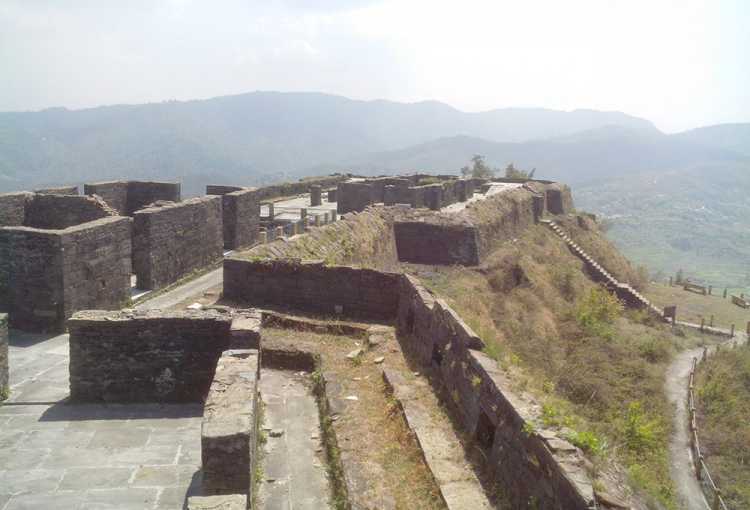
Nestled in the picturesque hills of Uttarakhand, Champawat is a town steeped in rich history, religious significance, and natural beauty. As the administrative headquarters of Champawat district, it holds a special place in the Kumaon region. Once the capital of the ancient Kumaon Kingdom, this charming town continues to reflect its vibrant legacy.
Spiritual Significance
Champawat is a revered destination for spiritual seekers, deeply embedded in Hindu mythology. The town is believed to be the site of the Kurmavtar, the turtle incarnation of Lord Vishnu. Among its many sacred spots, the Kranteshwar Mandir, dedicated to Lord Shiva, stands out. The town is also associated with the legendary Ghatotkacha, son of Bhima and Hidimbi from the Mahabharata, with the Gahtku Mandir paying homage to him. Another noteworthy temple, the Shani Mandir in the village of Maurari, attracts devotees seeking blessings.
Historical Legacy
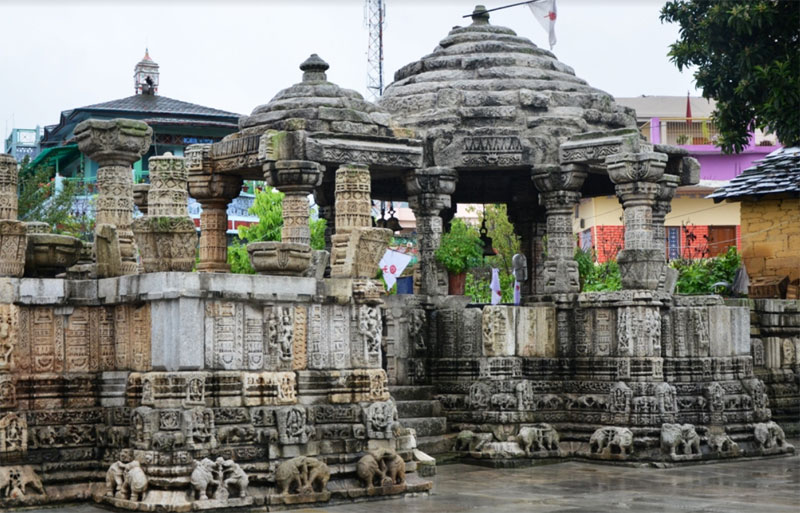
The name Champawat is said to originate from the Champavati stream, which flows through the region. The town is home to seven ancient temples, each holding its own charm and significance. Among them, the Baleshwar Temple is the most prominent, known for its exceptional stone carvings, a testament to the craftsmanship of the Chand Dynasty rulers. According to legend, Champavati, the sister of the Nagas, meditated near this temple, and a temple dedicated to her can still be found within the Baleshwar complex.
Champawat also served as the capital of the Chand Dynasty in the 12th century, and it is here that the legendary Champawat Tiger, a notorious man-eating tigress, roamed. Responsible for claiming hundreds of lives, the tiger was eventually killed by famed hunter Jim Corbett in 1907, marking the beginning of his celebrated career.
Geography
Located in the southeastern part of Uttarakhand, Champawat lies at an elevation of 1,615 meters (5,299 feet) amidst the majestic Kumaon Himalayas. It covers an area of 5 square kilometers (1.9 square miles) and is positioned at coordinates 29.33°N, 80.10°E.
Climate
Champawat enjoys a humid subtropical climate with distinct wet and dry seasons. The region’s moderate climate, aided by its high elevation, offers pleasant weather year-round. The average annual temperature is 24.6°C (76.3°F). The hottest month is June, with temperatures rising to 32.1°C (89.8°F), while January brings cooler temperatures, averaging 14.3°C (57.7°F).
The town receives an average annual rainfall of 1,239.5 millimeters (48.80 inches), with July being the wettest month. November, in contrast, is the driest, receiving only 2.5 millimeters (0.098 inches) of rain.
If you’re looking for RTI filing services in Champawat, you can easily access them through our trusted legal partner site, RTIGuru. They provide comprehensive assistance for filing RTI applications, including drafting guidance, tracking, and tutorials to make the process smooth and straightforward.
Champawat, with its blend of history, religion, and stunning natural landscapes, is a captivating destination for travelers and devotees alike. From its ancient temples and historical sites to its serene climate and beautiful vistas, this town offers a truly enriching experience. Whether you’re exploring its spiritual heritage or simply soaking in the beauty of the Kumaon hills, Champawat promises to leave an indelible mark on your heart.
Here are some frequently asked questions (FAQs) about Champawat, Uttarakhand:
What is Champawat known for?
Champawat is known for its rich history, spiritual significance, and stunning natural beauty. It was the former capital of the Kumaon Kingdom and is home to ancient temples, including the famous Baleshwar Temple. It is also associated with the Kurmavtar (turtle incarnation of Lord Vishnu) and the Champawat Tiger, a man-eating tigress killed by Jim Corbett in 1907.
How can I reach Champawat?
Champawat can be reached by road from major cities in Uttarakhand. The nearest railway station is Kathgodam, which is about 70 kilometers away, and the nearest airport is Pantnagar Airport, around 125 kilometers from Champawat. Regular bus services are available from nearby towns like Haldwani and Almora.
What is the best time to visit Champawat?
The best time to visit Champawat is from March to June and September to November, when the weather is pleasant and ideal for sightseeing. Winters can be cold, while the monsoon season (July to September) may experience heavy rainfall.
What are the famous temples in Champawat?
Champawat is home to several significant temples, including:
- Baleshwar Temple: A 12th-century temple known for its intricate stone carvings.
- Kranteshwar Mandir: Dedicated to Lord Shiva, located near Champawat.
- Gahtku Mandir: Dedicated to Ghatotkacha from the Mahabharata.
- Shani Mandir: A famous temple in the village of Maurari.
What are some key tourist attractions in Champawat?
In addition to its temples, Champawat is known for:
- Poornagiri Temple: A famous pilgrimage site located on the banks of the Kali River.
- Chandni Devi Temple: Dedicated to the Goddess Chandni.
- Rishneshwar, Tadkeshwar Temples: Ancient temples situated in the valley of the Champavati stream.
- Goral Field: A scenic area popular for trekking and wildlife sightings.
Is Champawat a good place for nature lovers?
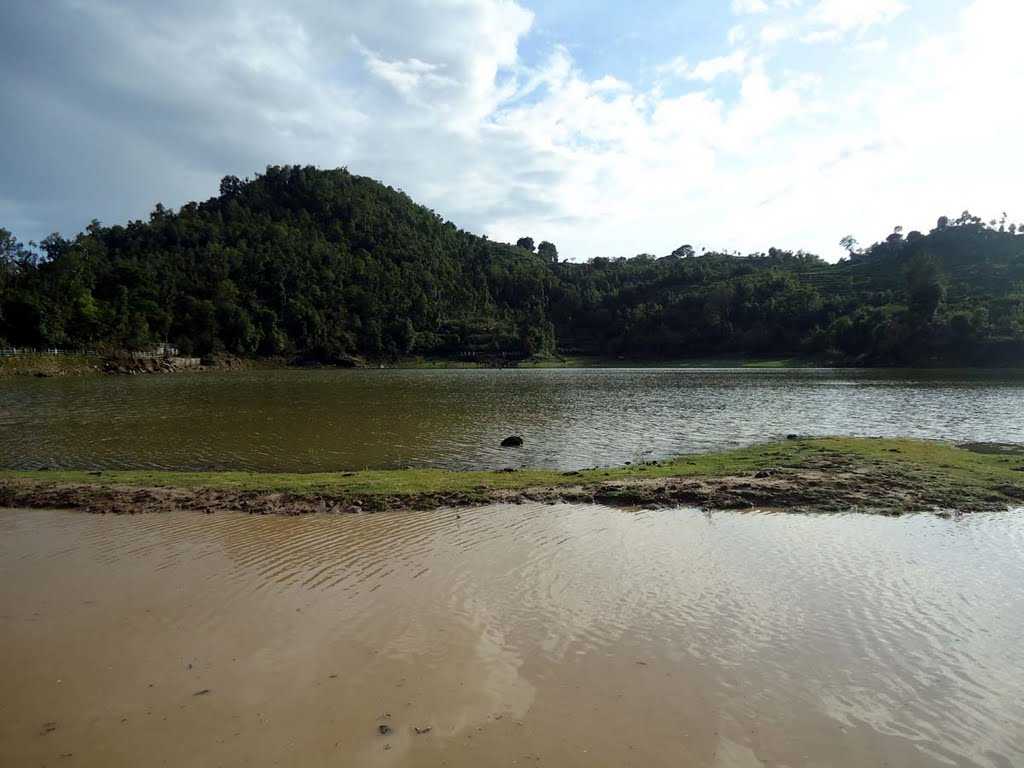
Yes, Champawat is a haven for nature lovers. Surrounded by lush greenery, forests, and mountains, it offers a serene environment perfect for trekking, nature walks, and photography. The region’s moderate climate adds to its charm.
What is the climate like in Champawat?
Champawat has a humid subtropical climate, with moderate temperatures throughout the year due to its high elevation. The average annual temperature is 24.6°C. Summer temperatures can reach up to 32.1°C, while winters are cooler, with average temperatures around 14.3°C.
What is the historical significance of Champawat?
Champawat served as the capital of the Chand Dynasty in the 12th century. It is associated with numerous historical events, including the legend of Champavati and the man-eating Champawat Tiger, which was killed by Jim Corbett.
Are there accommodations available in Champawat?
Yes, Champawat has a range of accommodation options, including hotels, guesthouses, and homestays that cater to various budgets. It is advisable to book in advance, especially during peak tourist seasons.
Is Champawat safe for tourists?
Yes, Champawat is generally safe for tourists. However, like in any other tourist destination, it is always recommended to follow basic safety guidelines, such as staying in well-known accommodations and avoiding remote areas alone after dark.
What is the historical significance of the Champawat Tiger?
The Champawat Tiger was a notorious man-eating tigress responsible for over 400 deaths in the area. It was the first man-eater killed by famed hunter Jim Corbett, marking the start of his long career in hunting and wildlife conservation.