Binsar
Binsar, a tranquil hill station in Uttarakhand. Discover the Binsar Wildlife Sanctuary, home to over 200 bird species and diverse flora and fauna. Dive into its rich history as the summer capital of the Chand Kings and British estates. Enjoy breathtaking views of the Himalayas, trekking trails, and ancient temples. Perfect for nature lovers, trekkers, and peace seekers.
Binsar is a picturesque hill station located in the Almora district of Uttarakhand, India. Known for its serene atmosphere and breathtaking views, Binsar is a popular destination for nature lovers, trekkers, and those looking to experience the tranquility of the Himalayas. Here’s a detailed overview of this charming place:
Location
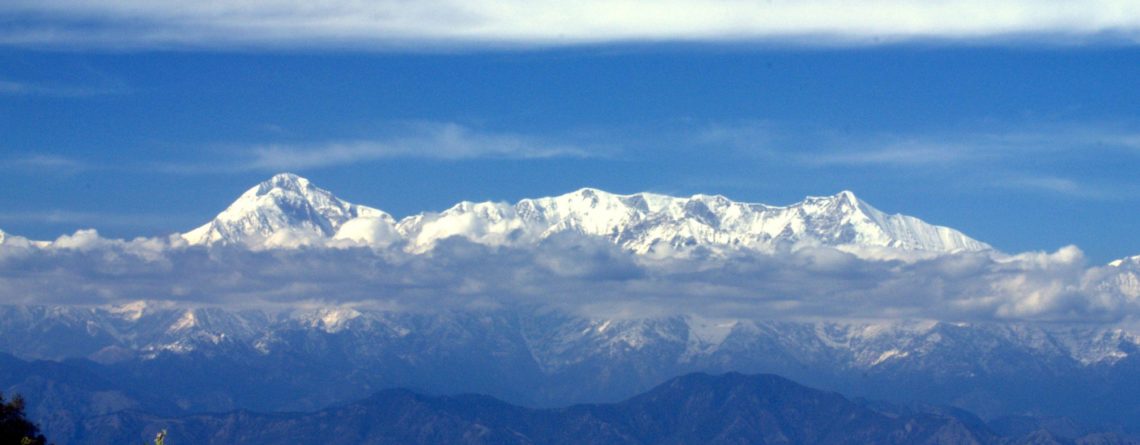
Binsar is situated at an altitude of 2,420 meters (7,940 feet) above sea level, offering panoramic views of the surrounding snow-capped peaks of the Himalayan range. It is about 33 kilometers (20 miles) from Almora, the district headquarters, and 11 kilometers (7 miles) from the popular tourist destination of Kasar Devi.
Binsar Wildlife Sanctuary
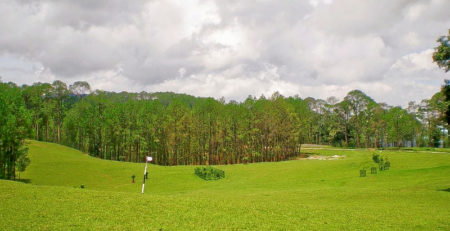
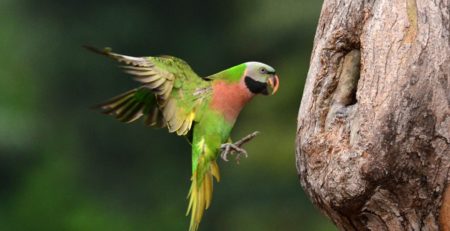
The Binsar Wildlife Sanctuary is a renowned Indian wildlife sanctuary established in 1988 for the conservation and protection of the shrinking broadleaf oak (Quercus) forests of the Central Himalayan region. Spanning over 45.59 square kilometers, the sanctuary is home to a rich diversity of flora and fauna. It has more than 200 species of birds, making it a prime destination for birdwatching.
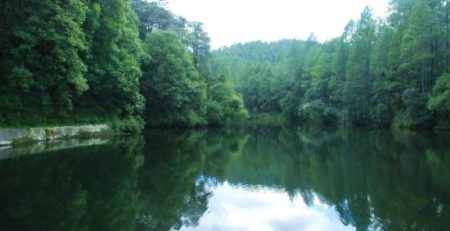
The sanctuary’s flora includes 25 types of trees, 24 types of bushes, and 7 varieties of grasses. The higher altitudes are covered with oak and rhododendron trees, which are particularly stunning in March and April when the ruby-red rhododendrons are in full bloom. Mammals like leopards, Himalayan gorals, musk deer, wild boars, and red foxes roam the sanctuary. It also hosts a range of reptiles, butterflies, and other wildlife species. The sanctuary provides a safe habitat for a wide variety of animals, making it a popular spot for wildlife enthusiasts and trekkers alike.
Flora and Fauna
Binsar’s flora and fauna are rich and diverse. The sanctuary hosts a variety of plant species, including oak and rhododendron trees. The fauna is equally abundant, with notable species such as:
- Mammals: Leopard, Himalayan goral, musk deer, wild boar, red fox, and rhesus macaque, among others.
- Birds: Over 200 species, including the kalij pheasant, monal, koklass pheasant, woodpeckers, and various species of eagles.
- Reptiles and Butterflies: Binsar is also home to a variety of reptiles and butterflies, enhancing its biodiversity.
Historical Significance
Binsar has a rich history and was once the summer capital of the Chand Kings, who ruled over Kumaon from the 11th to the 18th centuries AD. Later, the British used Binsar as a summer retreat and built several estates within the forest.
Key Historical Sites:
- Grand Oak Manor: The former summer residence of Sir Henry Ramsay, the British Commissioner of Kumaon. It later became a heritage hotel and is one of the region’s iconic buildings.
- Khali Estate: Once owned by Sir Henry Ramsay, the Khali Estate was also home to many prominent figures, including Jawaharlal Nehru, Indira Gandhi, and Mahatma Gandhi. The estate is known for its beautiful views and colonial architecture.
- Mary Budden Estate: Located at an altitude of 8,000 feet, this restored colonial-era property includes a home and a temple dedicated to Shiva, providing a unique glimpse into Binsar’s colonial past.
Views and Trekking
Binsar offers one of the most spectacular views of the Nanda Devi, Trishul, and Nanda Kot peaks. The Zero Point, located within the wildlife sanctuary, provides a breathtaking 360-degree view of the surrounding mountains. Binsar is also a favorite destination for trekking, with several trekking routes leading through the dense forests to various scenic spots.
Binsar Temple
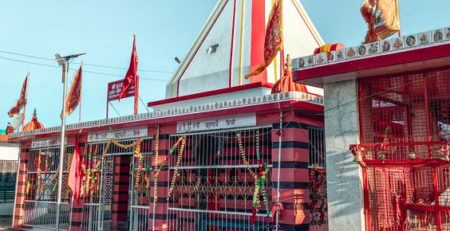
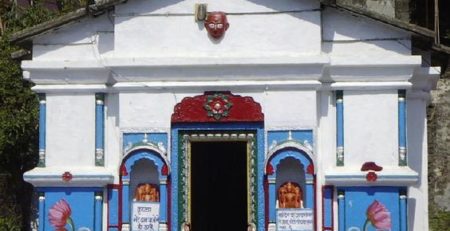
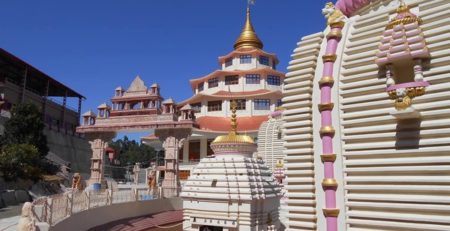
At the heart of Binsar lies the ancient Binsar Temple, dedicated to Lord Shiva. This historic temple is an important religious site for locals and visitors alike. The temple’s beautiful architecture and peaceful surroundings make it a must-visit during a trip to Binsar.
Activities and Attractions
- Wildlife Watching: Visitors can explore the wildlife sanctuary and spot a variety of animals and birds.
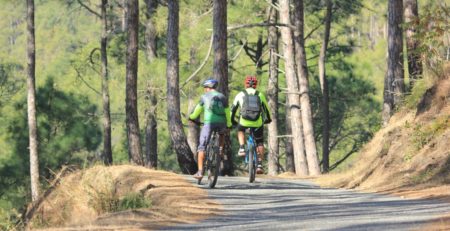
- Trekking: There are several trekking trails, including the one to Zero Point, that offer stunning views of the Himalayan range.
- Photography: Binsar’s landscapes provide ample opportunities for photography, especially with its dramatic mountain views and lush forests.
- Cultural Experience: Visit the Binsar temple and interact with the local Kumaoni people to experience the region’s culture and traditions.
Best Time to Visit
The best time to visit Binsar is from March to June and September to November. During these months, the weather is pleasant and ideal for outdoor activities like trekking and wildlife watching. Winters, from December to February, are cold, with snowfall adding a beautiful touch to the region, but it may be less suitable for outdoor activities due to the chill.
How to Reach Binsar
- By Air: The nearest airport is Pantnagar Airport, around 145 kilometers from Binsar. From the airport, visitors can take a taxi or bus to reach Binsar.
- By Train: The nearest railway station is Kathgodam, about 95 kilometers away. It is well-connected to major cities like Delhi, Lucknow, and Kolkata.
- By Road: Binsar is accessible via a well-maintained road network from Almora and other nearby towns. Public buses, taxis, and private vehicles are available.
Binsar, with its natural beauty, wildlife sanctuary, ancient temples, and breathtaking views, remains a hidden gem in Uttarakhand. Whether you’re looking for adventure, tranquility, or a spiritual retreat, Binsar offers a perfect getaway.