Bedu Fruit
A Hidden Gem of Uttarakhand
Botanical Name: Ficus palmata Forssk.
Local Names: Khemri (Hindi), Pheru (Jaunsar), Bedu (Kumaun), Indian Fig (English), Bendu (Nepali), Anjir
Family: Moraceae
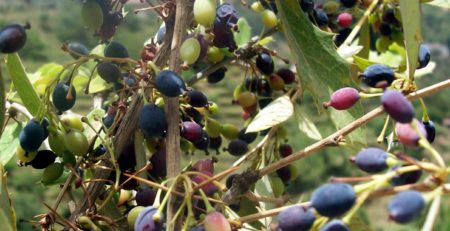
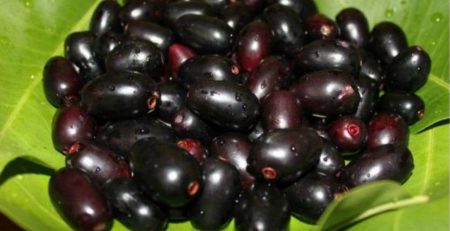
The Bedu fruit is small and marble-sized, characterized by its reddish-brown or purple skin. This fruit grows on trees that are adapted to higher altitudes, usually between 1,500 to 2,500 meters. These trees are often found in the cool, temperate climate of the Himalayan foothills, where they thrive despite the harsh conditions. The Bedu tree prefers well-drained soil and can often be spotted growing in forests, waste grounds, and around villages. The fruit has a soft, sweet pulp that is highly aromatic, making it a delightful treat for those who come across it. The tree’s ability to flourish in cooler climates makes it an important species for sustaining biodiversity in its native regions.
Ethnobotanical Uses
Medicinal Benefits: Bedu fruit has been traditionally used in the treatment of various health issues, particularly those related to the lungs and bladder. The high juice content, which constitutes around 45 percent of the fruit, provides a refreshing and beneficial remedy. The fruit is also valued for its mineral content, including phosphorus, and contains a modest amount of Vitamin C. Its medicinal properties make it an important component of local health practices, especially in areas where modern medical resources might be limited.
Dietary Use: In addition to its medicinal uses, Bedu fruit plays a role in traditional diets. It is consumed fresh and is often used to prepare traditional sweets and preserves. The fruit’s natural sweetness and aromatic qualities make it a popular choice for enhancing the flavor of local dishes. Bedu’s ability to be fermented into a mildly alcoholic beverage adds to its culinary versatility, making it a unique ingredient in regional cuisine.
Sap and Latex: The sap of the Bedu tree has practical applications beyond its medicinal use. It is employed in the treatment of warts, showcasing the fruit’s role in traditional home remedies. The latex, on the other hand, is used to remove spines embedded in the flesh, highlighting its practical utility in everyday life. These uses underscore the importance of Bedu in local medicinal practices and its adaptability to various needs.
Nutritional Benefits
Bedu fruit is not only a flavorful addition to the diet but also a nutritional powerhouse. Its rich antioxidant content helps combat oxidative stress, which can contribute to various chronic diseases. The fruit is also high in dietary fiber, which supports digestive health and helps maintain a balanced gut microbiome. These nutritional benefits make Bedu a valuable fruit for maintaining overall health and wellness, especially in regions where access to diverse food sources may be limited.
Culinary Uses
The culinary applications of Bedu fruit reflect its significance in Uttarakhand’s traditional cuisine. Fresh Bedu is enjoyed as a snack and is used in the preparation of traditional sweets and preserves, where its distinctive flavor can shine. Additionally, Bedu fruit is incorporated into local drinks, providing a unique taste experience. Its use in fermentation to create a mildly alcoholic beverage highlights its versatility and the creative ways in which local communities have adapted the fruit for various uses. The vibrant red carpet of fallen Bedu flowers during their blooming season is also a sight to behold, adding to the fruit’s cultural and aesthetic value.
Medicinal Properties
Bedu’s medicinal properties are deeply rooted in traditional practices. The fruit is believed to support digestive health, boost the immune system, and improve skin conditions. It is commonly used in home remedies to address common ailments such as indigestion and respiratory issues. The fruit’s high nutrient content and its role in traditional medicine underscore its importance in maintaining health and well-being in the region.
Cultural Significance
In Uttarakhand, Bedu is more than just a fruit; it is a cultural icon that symbolizes the region’s natural heritage. The fruit features prominently in local folklore, songs, and traditional recipes, reflecting its deep connection to the community. The annual harvest of Bedu brings families and communities together, reinforcing its role in social and cultural activities. The communal aspect of harvesting Bedu highlights the fruit’s role in fostering social cohesion and celebrating the natural bounty of the region.
Challenges and Conservation
Despite its significance, Bedu faces challenges from habitat loss and climate change. The loss of natural habitats and shifting climate conditions threaten the survival of Bedu trees and their ability to thrive in their native environments. Conservation efforts are being undertaken to protect these valuable trees and promote sustainable harvesting practices. Local communities are increasingly aware of the need to preserve Bedu and its habitat to ensure its continued presence and ecological importance in the region. These efforts are crucial for maintaining the balance of the ecosystem and safeguarding the future of this unique fruit.
Here are the FAQs about Bedu Fruit, a hidden gem of Uttarakhand:
What is the Bedu fruit?
The Bedu fruit (Ficus palmata Forssk), also known as Indian Fig, is a small, marble-sized fruit with reddish-brown or purple skin. It grows on trees in the cool, temperate climate of the Himalayan foothills, typically found at elevations between 1,500 to 2,500 meters.
What are the medicinal benefits of Bedu fruit?
Traditionally, Bedu fruit has been used to treat various health issues, particularly related to the lungs and bladder. Its high juice content makes it an effective remedy for digestion, and it is also valued for its mineral content, including phosphorus and Vitamin C, supporting immunity and overall health.
How is Bedu fruit consumed?
Bedu fruit is enjoyed fresh, either as a snack or in traditional recipes. It is often used to prepare sweets and preserves. Additionally, it can be fermented to create a mildly alcoholic beverage, making it a unique ingredient in the local cuisine of Uttarakhand.
What are the nutritional benefits of Bedu fruit?
Bedu fruit is packed with antioxidants, which help combat oxidative stress and chronic diseases. It is also rich in dietary fiber, aiding digestion and promoting a healthy gut microbiome, making it an essential part of the diet in regions with limited food sources.
What are the uses of Bedu tree sap and latex?
The sap of the Bedu tree is traditionally used to treat warts, while the latex has a practical role in removing spines from the skin. These useful applications demonstrate the versatility of the Bedu tree, extending beyond its fruit.
What is the cultural significance of Bedu fruit?
In Uttarakhand, Bedu is more than just a fruit; it is a symbol of the region’s natural heritage. The fruit is celebrated in folklore, songs, and traditional recipes. The annual Bedu harvest brings communities together, highlighting its role in fostering social cohesion and honoring the natural bounty of the land.
How does Bedu fruit contribute to the local ecosystem?
Bedu trees play a crucial role in the biodiversity of the Himalayan foothills. They provide food for wildlife and help maintain the ecological balance of the region, contributing to the health of the surrounding forests and natural environment.
Are there any conservation challenges for Bedu trees?
Yes, Bedu trees face threats from habitat loss and climate change, which could affect their ability to thrive in their native environment. Conservation efforts are underway to protect these trees and ensure their continued survival through sustainable harvesting and habitat preservation.
What makes Bedu fruit special in Uttarakhand?
Bedu fruit is cherished not only for its unique flavor and medicinal properties, but also for its deep connection to the cultural traditions of Uttarakhand. It plays an essential role in the local cuisine, folklore, and health practices, making it a beloved and integral part of the region’s heritage.
How can Bedu fruit be preserved for later use?
Bedu fruit can be preserved by making sweets or preserves, or it can be fermented to create beverages. It can also be dried or stored in other forms, allowing it to be enjoyed throughout the year, even after the harvest season ends.
Where is Bedu fruit commonly found?
Bedu trees are native to the Himalayan foothills of Uttarakhand and can be found growing at altitudes ranging from 1,500 to 2,500 meters. They thrive in cool, temperate climates and are commonly found in forests, waste grounds, and villages in the region.
The Bedu fruit stands out as a hidden gem of Uttarakhand, offering both nutritional and cultural value. Its unique flavor, medicinal properties, and role in local traditions make it a noteworthy fruit of the Himalayan region. As awareness of Bedu’s benefits grows, it is poised to gain wider recognition and appreciation. Preserving this fruit and its habitat is essential for maintaining Uttarakhand’s rich agricultural heritage and ensuring the continued availability of this remarkable fruit for future generations.