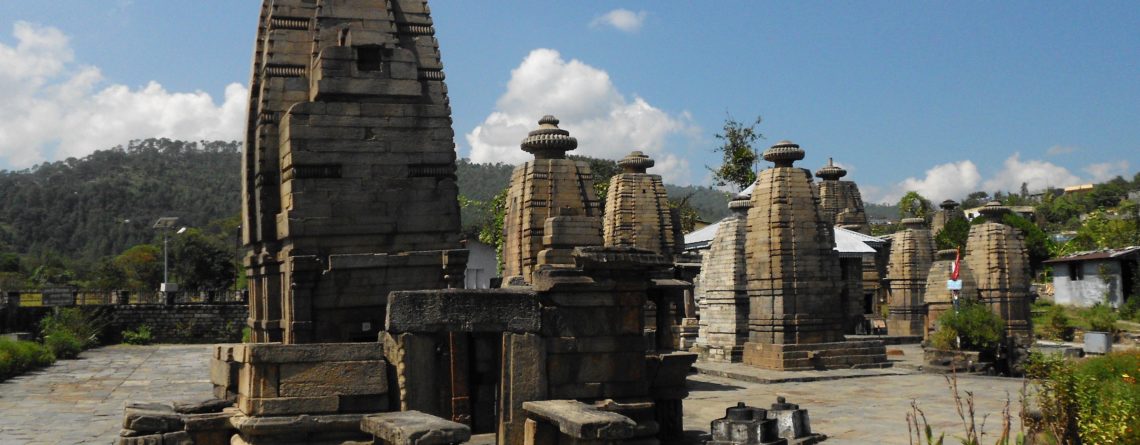
Baijnath
Ancient Heritage and Spiritual Significance in Uttarakhand
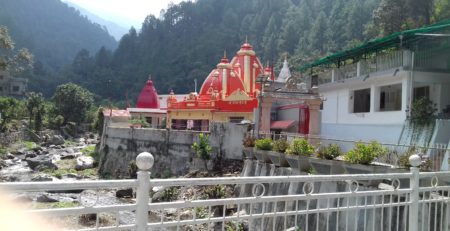
Baijnath Temple, located in the Bageshwar district of Uttarakhand, is situated on the left bank of the Gomti River. This site holds not only religious importance but also a significant historical background that sets it apart.
Construction and Historical Background
A notable feature of Baijnath Temple is that it was constructed by a local Brahmin widow or a Brahmin woman, who was kidnapped by a Kshatriya. The temple is considered a symbol of her religious devotion and repentance. It is said to be dedicated to Lord Shiva, and a statue of Shiva is enshrined inside the temple.
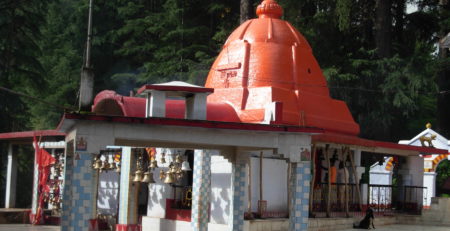
Although there are no inscriptions inside the temple, its architectural style resembles that of the Tilihata group of temples, suggesting it belongs to the same historical period. The temple is dedicated to ‘Baijnath’ or ‘Vaidyanath’ (a name of Shiva), making it a site of both historical and religious significance.
Main Temple and Surroundings
The main Baijnath Temple, which also lends its name to the village, is located near the Gomti River. Access to the temple is facilitated by stone steps constructed under the orders of the Katyuri queen. These steps were once used as a bathing place by the river and have now been transformed into a makeshift pond.
Baijnath is situated approximately 19 km from Kausani and 26 km from Bageshwar. Historically, this site served as the capital of the Katyuri dynasty and was also known as ‘Kartikapura‘.
The Miracle of Baijnath Temple: Historical and Religious Perspectives
Baijnath Temple, located in the Bageshwar district of Uttarakhand, is an ancient and significant religious site situated on the left bank of the Gomti River. The temple is renowned not only for its historical background but also for its miraculous attributes. This article explores the miraculous significance of Baijnath Temple and its religious beliefs.
Historical and Miraculous Background
Baijnath Temple, dedicated to Lord Shiva, was constructed in ancient times. It is believed to have been built by a Brahmin widow who dedicated it to Lord Shiva as an atonement for her sins. Inside the temple is a statue of Shiva, which serves as a central focus of devotion for the devotees.
Another interesting story about the temple’s construction involves a Brahmin woman who was kidnapped by a Kshatriya. She built the temple to seek forgiveness for her sins. This story enhances the religious significance of the site.
Miraculous Beliefs
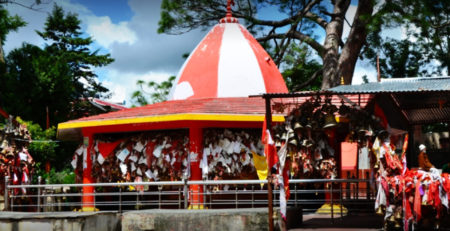
Eternal Flame: A distinctive feature of Baijnath Temple is its eternal flame, which burns in front of the temple. This flame is believed to have been burning since the divine marriage of Shiva and Parvati. Devotees believe that the ashes from this flame help in making their marital life prosperous and harmonious.
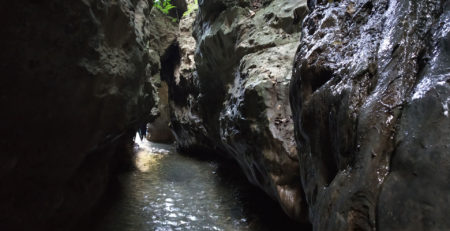
Sacred Kunds: The temple is located near several sacred kunds (water tanks) such as Brahmakund, Vishnukund, and Rudrakund. Bathing in these kunds is believed to bring purity and auspiciousness, and it is said to liberate devotees from childlessness. The water source for these kunds is said to be the Saraswati Kund, which is believed to have been created from the nasal cavity of Lord Vishnu.
Religious Practices and Devotion: Many miraculous experiences are associated with religious practices and devotion at Baijnath Temple. Devotees perform special rituals and sadhanas (spiritual practices) at the temple, and their experiences reflect the temple’s miraculous effects. Special prayers and mantras performed at the temple have resolved many problems for devotees, enhancing its miraculous reputation.
Religious and Cultural Significance
Baijnath Temple holds not only religious importance but also cultural significance. The site was once the capital of the Katyuri dynasty of Uttarakhand, and it features many important historical structures and sites. Its architectural beauty and religious practices make it a prominent pilgrimage site.
Baijnath Temple’s historical importance, religious significance, and architectural beauty make it a major site in Uttarakhand’s Bageshwar district. Its ancient statues, construction style, and natural surroundings offer a unique tourism experience. The historical and religious value of Baijnath Temple provides visitors and devotees with a distinctive and enriching experience, attracting them to this unique destination.