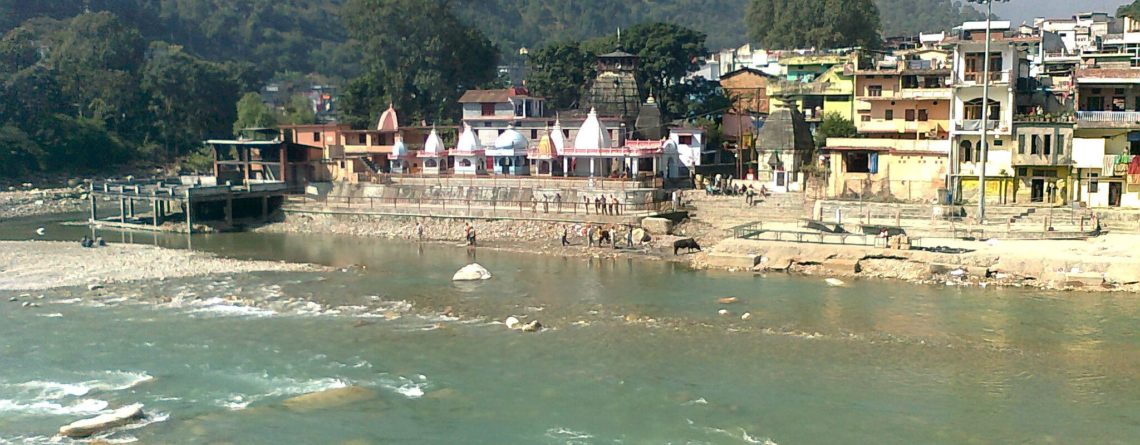
Bagnath Temple
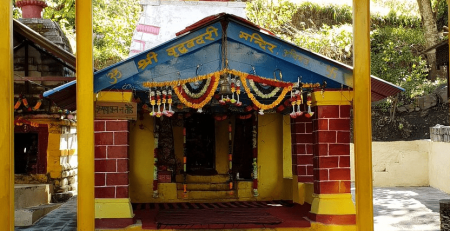
Explore Bagnath Temple, an ancient shrine dedicated to Lord Shiva, located at the confluence of the Sarayu and Gomati rivers in Bageshwar, Uttarakhand. Known for its captivating bells, intricate carvings, and spiritual significance, it stands as the most famous temple in the district.
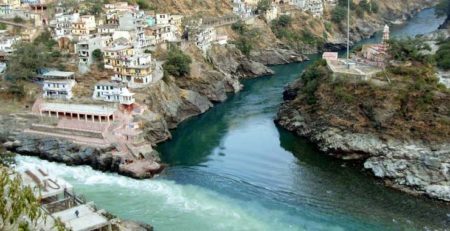
Bagnath Temple, located in the serene town of Bageshwar at the confluence of the Sarayu and Gomati rivers in Uttarakhand, is an ancient and revered shrine dedicated to Lord Shiva. Known for its spiritual significance and historical richness, this temple is a central point of devotion for countless pilgrims, especially during the auspicious occasion of Shivratri.
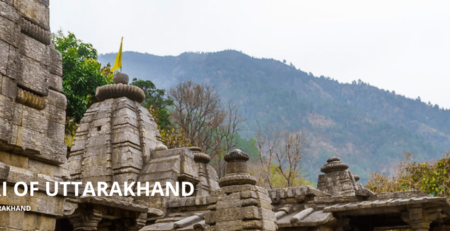
Bagnath Temple is a timeless shrine dedicated to Lord Shiva, nestled in the heart of Bageshwar City, Uttarakhand, at the sacred confluence of the Sarayu and Gomati rivers. Known for its spiritual significance, the temple is adorned with bells of all sizes that fill the air with a melodic resonance. Its walls are decorated with exquisite carvings that reflect the rich artistry of its ancient heritage. As the most famous temple in Bageshwar District, Bagnath Temple stands as a revered destination for devotees and history enthusiasts alike, drawing pilgrims seeking divine blessings and a sense of tranquility.
Geography and Location
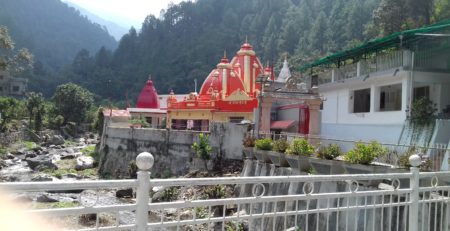
Perched at an elevation of 1004 meters above sea level, Bagnath Temple is situated at 29.8370° N, 79.7725° E in the picturesque town of Bageshwar. The temple’s location at the confluence of the two sacred rivers, Sarayu and Gomati, enhances its spiritual aura, making it a serene destination for worship and reflection.
A Glimpse into History and Mythology
Though the current structure of the temple was built in 1450 by King Laxmi Chand of the Chand dynasty, its spiritual legacy dates back much earlier. According to legend, Sage Markandeya worshipped Lord Shiva here, and the deity is said to have appeared to him in the form of a tiger, offering his blessings.
Historical records suggest that the temple has roots in the 7th century AD, with many of its carvings and idols dating from this period up to the 16th century. The present Nagara-style temple stands as a testament to the artistry and devotion of its builders. In 1996, the Uttarakhand Archaeology Department took responsibility for the temple’s preservation, uncovering ancient idols and inscriptions, some dating back to the 8th century.
Festivals and Rituals
Bagnath Temple is known for its vibrant religious festivals, the most significant being the Uttarayani Fair held each year in January to celebrate Makar Sankranti. Pilgrims from far and wide gather to bathe in the confluence of the rivers before dawn and offer water to Lord Shiva within the temple. Devotees seeking greater spiritual merit perform the ritual for three consecutive days, a practice known as Trimaghi.
Bagnath Temple is more than just a place of worship; it is a living monument to Uttarakhand’s deep spiritual roots and ancient traditions. With its fascinating history, stunning architecture, and sacred ambiance, it remains a cherished pilgrimage site for thousands of devotees, offering both a spiritual refuge and a connection to the region’s rich cultural heritage.