Bageshwar
Bageshwar District, where the serenity of the Himalayas meets the spirituality of ancient temples, truly a hidden gem of Uttarakhand.
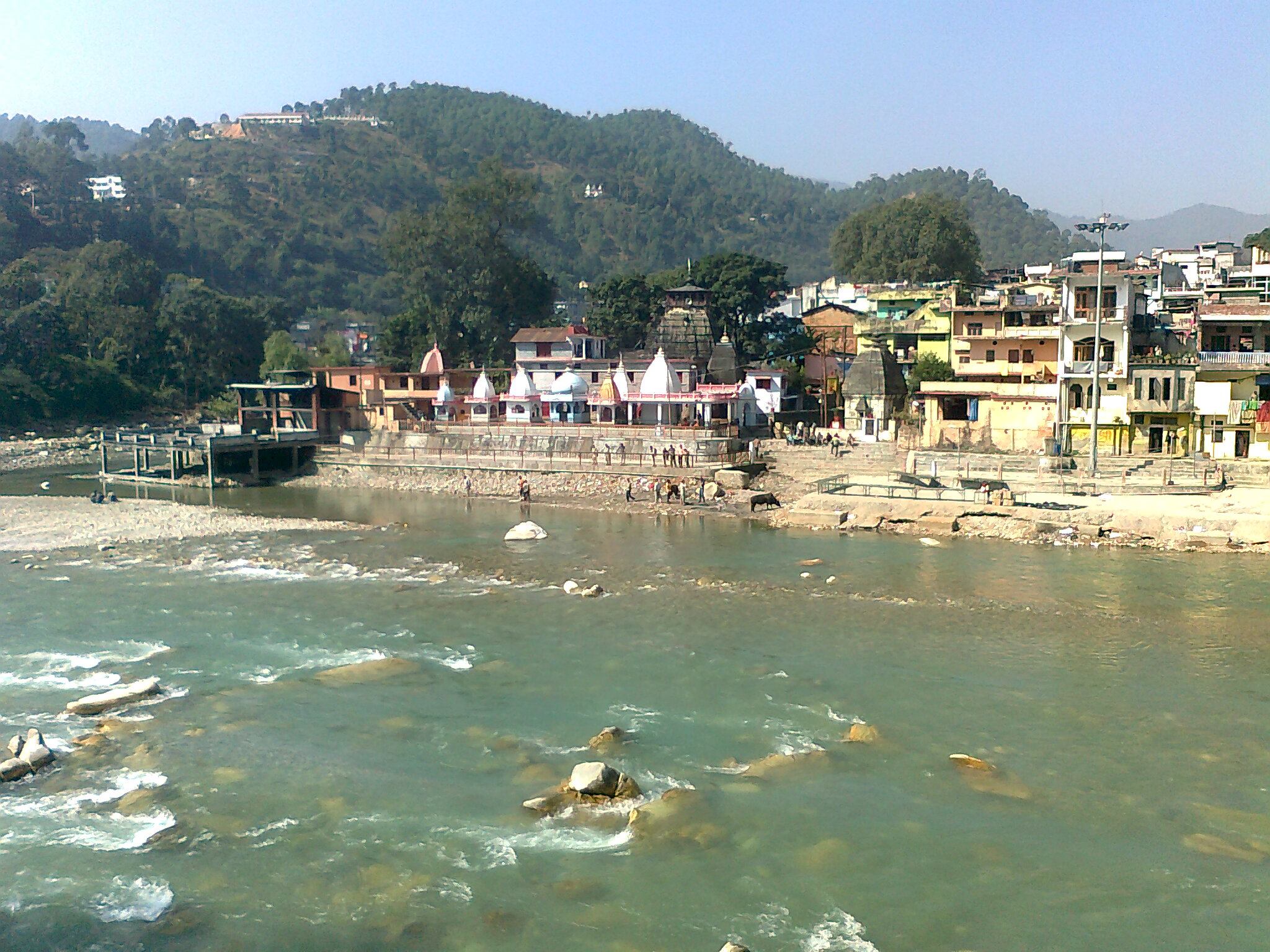
Bageshwar (Kumaoni: Bāgshyār) is a town and municipal board in the Bageshwar district of Uttarakhand, India. Located 470 km from New Delhi and 332 km from Dehradun, the town is renowned for its picturesque environment, temples, rivers, and glaciers. It serves as the administrative headquarters of Bageshwar district and is situated at the confluence of the Saryu and Gomati rivers, surrounded by the mountains of Bhileshwar and Nileshwar.
Origin of the Name
The name “Bageshwar” is derived from its most significant landmark, the Bagnath Temple, which is dedicated to Lord Shiva. The word “Bage” means “tiger” in Kumaoni, and “Shwar” refers to “lord” or “god.” According to Hindu legends, Lord Shiva appeared here in the form of a tiger to bless Sage Markandeya, who had been performing penance. The town is thus named Bageshwar, meaning “the lord of the tiger,” reflecting its deep religious and mythological significance.
Historical Significance
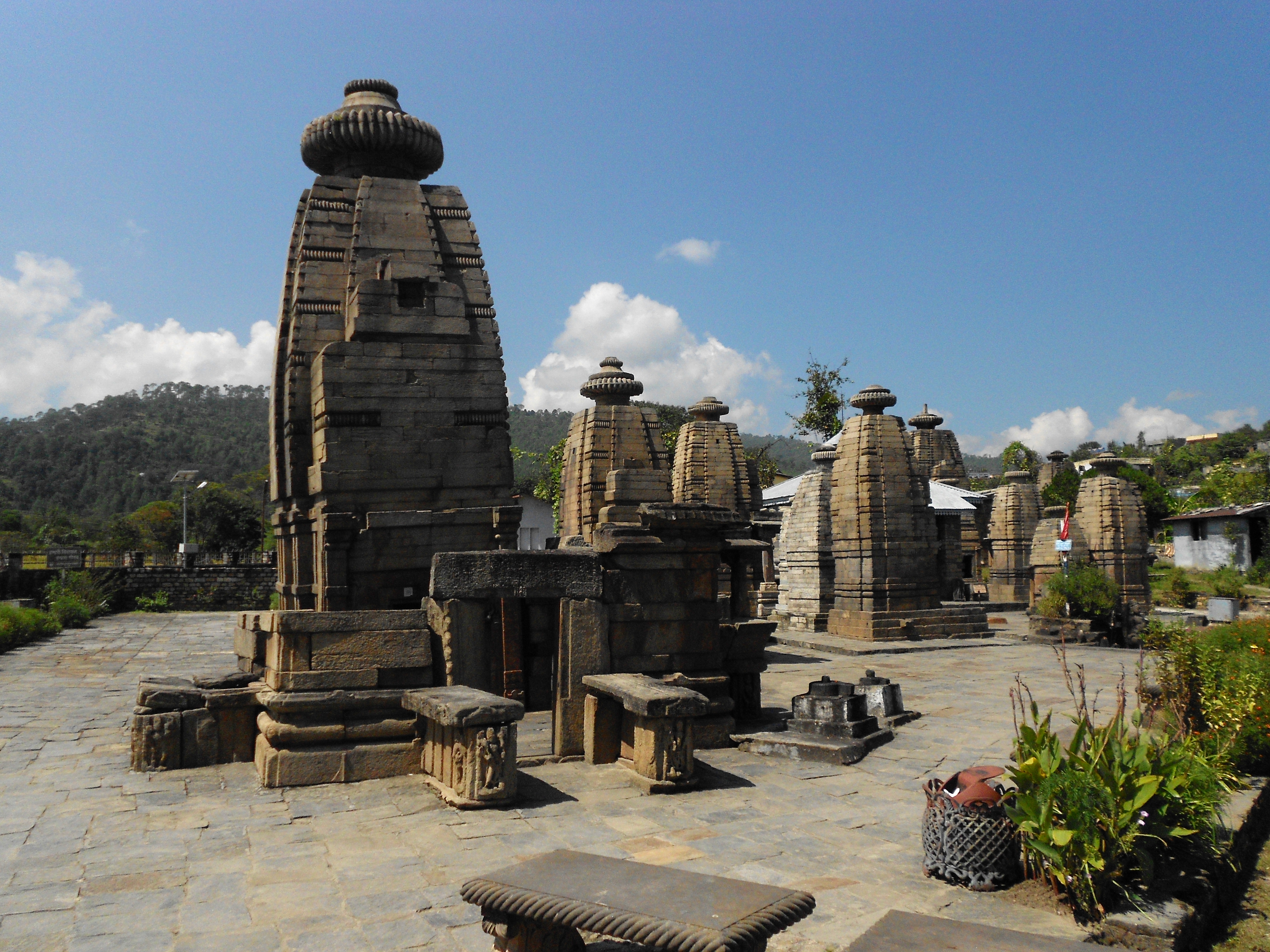
Bageshwar has a rich history and religious importance. The town and its famous Bagnath Temple have been mentioned in several Puranas, with one legend stating that Sage Markandeya worshipped Lord Shiva here. The temple was constructed in 1640 by King Laxmi Chand of the Katyuri dynasty. Historically, Bageshwar was a trade hub between Tibet and Kumaon, with Bhotia traders bartering goods like wool, salt, and Tibetan wares. However, after the Indo-China War of 1962, these trade routes were closed.
Bageshwar’s past ties with the Kumaon Kingdom date back to the 7th century when it was part of the Katyuri kingdom. Following the kingdom’s disintegration in the 13th century, Bageshwar came under the rule of the Baijnath Katyurs and later the Chand dynasty. The town witnessed several invasions, including the Gorkha invasion in the 18th century, before it came under British control after the Anglo-Nepalese War (1814-1816). The region was later incorporated into the state of Uttarakhand in 2000.
Geography and Climate
Bageshwar lies at an altitude of 934 meters (3,064 feet) in the Kumaon Hills. The town enjoys a humid subtropical climate with warm summers and mild winters. The average annual temperature is 20.4°C, with June being the warmest month and January the coldest. Bageshwar experiences significant rainfall, particularly during the monsoon months of July and August.
Modern Developments
Bageshwar has witnessed rapid growth since independence. The town, initially a group of small villages, was developed into an urban area over several decades. Key infrastructure developments, such as the first motor road in 1952, and the establishment of schools, dispensaries, and post offices, have transformed the town. In 1997, Bageshwar became a district in its own right.
Cultural Significance
Bageshwar is home to the famous Uttrayani Fair, an important cultural event that draws thousands of visitors annually. The fair also became the center of the Coolie Begar Movement in 1921, which played a significant role in the region’s political history.
Bageshwar, with its historical, religious, and cultural significance, remains one of the most beautiful towns in Uttarakhand. It offers a unique blend of natural beauty and historical charm, making it a must-visit destination for travelers interested in exploring the Himalayan region.
If you’re looking for RTI filing services in Bageshwar, you can easily access them through our trusted legal partner site, RTIGuru. They provide comprehensive assistance for filing RTI applications, including drafting guidance, tracking, and tutorials to make the process smooth and straightforward.
Here are some commonly asked questions about Bageshwar, a picturesque district and city in Uttarakhand, known for its rich cultural heritage, spiritual significance, and stunning natural beauty.
Where is Bageshwar located?
Bageshwar is a town and municipal board in the Bageshwar district of Uttarakhand, India. It is situated approximately 470 km from New Delhi and 332 km from Dehradun, at the confluence of the Saryu and Gomati rivers.
What is the origin of the name ‘Bageshwar’?
The name ‘Bageshwar’ is derived from the Bagnath Temple, which is dedicated to Lord Shiva. “Bage” means “tiger” in Kumaoni, and “Shwar” means “lord” or “god.” The town is believed to be named after the legend of Lord Shiva appearing here as a tiger to bless Sage Markandeya.
What are the major attractions in Bageshwar?
The primary attractions in Bageshwar include:
- Bagnath Temple: A famous temple dedicated to Lord Shiva.
- Confluence of the Saryu and Gomati Rivers: Known for its serene and scenic beauty.
- Uttrayani Fair: A significant cultural fair that attracts visitors every year.
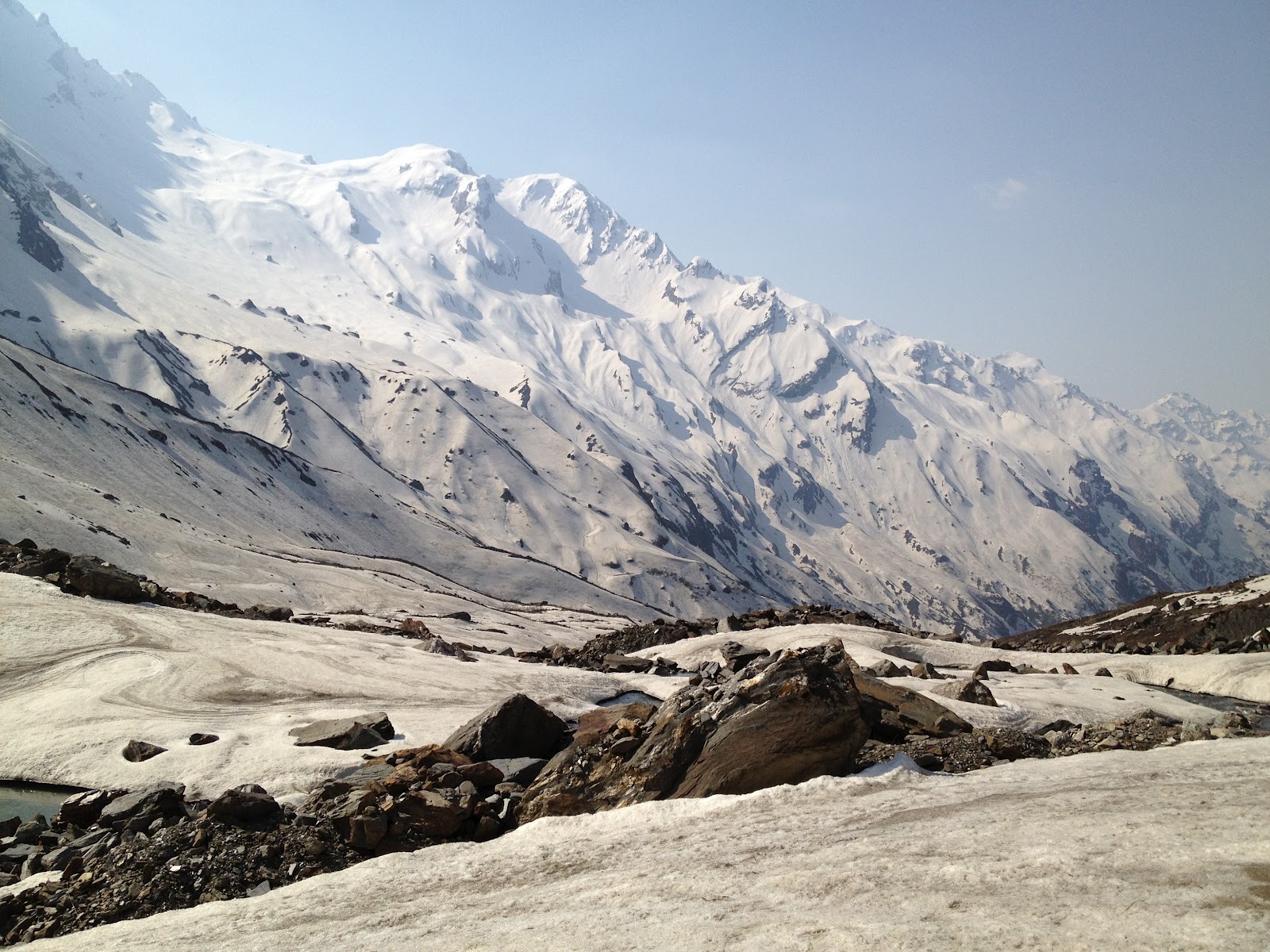
- Suraj Kund: A scenic spot for trekking and exploration.
What is the climate like in Bageshwar?
Bageshwar experiences a humid subtropical climate. Summers are warm, with temperatures reaching up to 30°C, while winters are mild with temperatures dropping to around 5°C. The town receives significant rainfall during the monsoon months of July and August.
How can I reach Bageshwar?
Bageshwar is well-connected by road. The nearest major city is Almora, about 80 km away. The town can be reached by buses and private vehicles from Dehradun, Nainital, and other nearby regions. The nearest railway station is in Kathgodam, 153 km away, and the nearest airport is Pantnagar Airport, 180 km away.
What is the historical significance of Bageshwar?
Bageshwar holds historical importance due to its religious and cultural roots. The Bagnath Temple, dating back to the 17th century, was built by King Laxmi Chand of the Katyuri dynasty. The town has also been a key trade center historically, with trade routes between Tibet and Kumaon until the closure of these routes in 1962.
What festivals are celebrated in Bageshwar?
The Uttrayani Fair is the most prominent festival celebrated in Bageshwar. It is an annual event that attracts a large number of pilgrims and tourists. The fair marks the transition of the sun into the northern hemisphere and is celebrated with much fervor. Other local festivals include Diwali, Holi, and Makar Sankranti.
What activities can visitors do in Bageshwar?
Visitors to Bageshwar can enjoy:
- Trekking: There are many scenic trekking routes in the surrounding mountains.
- River Rafting: The confluence of the Saryu and Gomati rivers offers opportunities for river-related activities.
- Cultural Exploration: Visitors can explore the local temples, fairs, and markets to experience Kumaoni culture.
- Nature Walks: The town is surrounded by lush green hills, perfect for nature walks and relaxation.
Are there any accommodations available in Bageshwar?
Yes, there are several guesthouses, hotels, and lodges in Bageshwar, offering basic amenities for travelers. For a more traditional experience, visitors can stay in local homestays.
What is the best time to visit Bageshwar?
The best time to visit Bageshwar is during the summer (March to June) and autumn (September to November) months, when the weather is pleasant and ideal for sightseeing and outdoor activities. The winter months (December to February) are cooler and suitable for those who enjoy a colder climate.